Source waterproof flat women slippers for Indoor Beach Outdoor
Find 30 listings for waterproof flat women slippers suitable for indoor, beach, and outdoor use. Buyers can compare features like EVA foam shock absorption, anti-slip patterns, and customization options from verified suppliers.
Key considerations
Products List


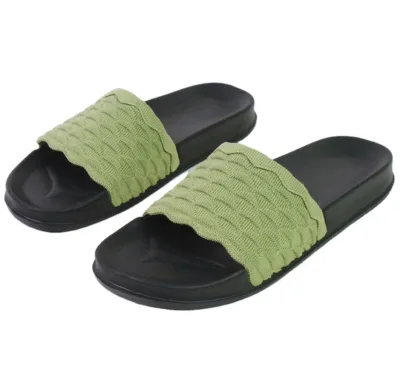
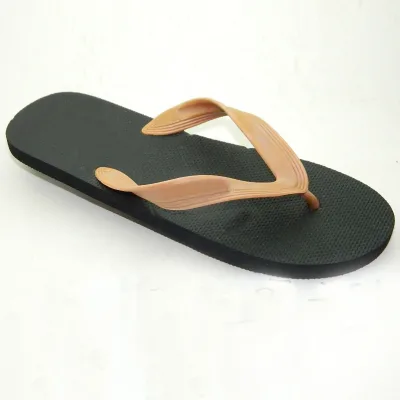


Comprehensive Sourcing Guide
Waterproof Flat Women Slippers Sourcing Guide
Sourcing waterproof flat women slippers requires a nuanced understanding of material science, specifically the interplay between polyvinyl chloride (PVC) uppers and ethylene-vinyl acetate (EVA) outsoles. These materials are industry standards for casual footwear due to their inherent water resistance, lightweight properties, and cost-effectiveness. Buyers must recognize that "waterproof" in this category often refers to the material's inability to absorb water rather than a sealed construction that prevents liquid ingress through seams. Therefore, verification of the upper material composition is the first critical step, as PVC provides a solid, impermeable barrier, while EVA offers cushioning and shock absorption. The combination of these two materials creates a durable, low-maintenance product suitable for indoor, outdoor, and beach environments, making it a versatile option for global retail markets.
The procurement landscape for this product category is characterized by a high degree of customization and a wide range of available styles, from simple flip-flops to more structured indoor slippers. Suppliers frequently offer OEM services, allowing buyers to customize logos, designs, and packaging, which is essential for brand differentiation. However, this flexibility comes with the need for rigorous specification management. Buyers must clearly define whether they require flat heels or high heels, as the supplied data indicates a mix of both styles in the market. Additionally, the distinction between disposable and non-disposable products is crucial for inventory planning, as most observed listings indicate non-disposable, durable goods intended for repeated use. Understanding these foundational attributes ensures that the sourcing strategy aligns with the target market's expectations for quality and longevity.
Product Scope and Observed Listing Signals
The observed market signals indicate a diverse product range with significant variation in sizing, styling, and intended use. Listings show size ranges extending from EUR 35 to 47, catering to a broad demographic of female consumers, with some models specifically targeting smaller sizes like EUR 35-40 and others extending to EUR 36-45. This variability suggests that buyers should not assume a one-size-fits-all approach to inventory. Instead, they must analyze their target customer base to determine the optimal size mix. The presence of models with specific identifiers, such as 1813-2, C502, and 1865, highlights the importance of tracking specific SKUs to manage quality consistency and reorder accuracy. Buyers should also note the prevalence of unisex designs, which may offer additional market flexibility but require careful marketing to appeal to female consumers specifically.
Color and pattern options are another critical signal for buyers to consider when developing their product assortment. The market offers a variety of colors, including grey, pink, and black, with some models featuring printed patterns. This diversity allows for seasonal and trend-based procurement strategies, such as introducing brighter colors for summer collections or neutral tones for year-round indoor use. The observed use cases span indoor, outdoor, and beach environments, indicating that the product category is not limited to a single application. Buyers should evaluate the specific features of each model, such as anti-slip patterns and shock-absorbing EVA foam, to match the product to its intended environment. For instance, beach slippers may require more robust anti-slip features, while indoor slippers might prioritize comfort and aesthetic appeal.
Technical Specifications to Verify
Verifying the technical specifications of waterproof flat women slippers is essential to ensure product performance and customer satisfaction. The upper material is predominantly PVC, which provides excellent water resistance and durability, but buyers must confirm the thickness and flexibility of the PVC to prevent cracking or stiffness over time. The outsole material is typically EVA, which offers lightweight cushioning and shock absorption, but the density and hardness of the EVA foam should be verified to ensure adequate comfort and support. Additionally, the insole material is often EVA, contributing to the overall comfort and moisture-wicking properties of the slipper. Buyers should request material samples to test for flexibility, durability, and comfort, ensuring that the materials meet their quality standards.
The construction and design features of the slippers also require careful verification. The heel height is a critical specification, with options ranging from flat to high heel, and buyers must ensure that the selected style aligns with their target market's preferences. The anti-slip design, often featuring an anti-slip pattern on the outsole, is crucial for safety, particularly for outdoor and beach use. Buyers should inspect the tread pattern and depth to ensure adequate traction on wet surfaces. Furthermore, the packaging details, such as the 1 pair per OPP bag format, should be confirmed to ensure compatibility with retail display requirements and logistics efficiency. Buyers should also verify the single package size and gross weight to optimize shipping costs and storage space.
Compliance and Safety Documentation
Compliance and safety documentation are paramount when sourcing footwear, particularly for markets with strict regulatory requirements. Buyers must ensure that the PVC and EVA materials used in the slippers comply with relevant chemical safety standards, such as restrictions on phthalates and other harmful substances. While specific certification statuses are not provided in the observed data, buyers should request test reports from accredited laboratories to verify that the materials meet international safety standards. This is particularly important for products intended for children or sensitive skin, as chemical exposure can pose health risks. Buyers should also verify that the manufacturing process adheres to environmental regulations, ensuring that the production of PVC and EVA does not contribute to excessive pollution or waste.
Safety features, such as anti-slip properties, must be validated through appropriate testing. Buyers should request evidence of slip resistance testing, such as the DIN 51130 or ASTM F2913 standards, to ensure that the outsole provides adequate traction on various surfaces. This is especially critical for slippers intended for outdoor or beach use, where wet and slippery conditions are common. Additionally, buyers should verify that the slippers meet any relevant flammability standards, although this is less common for casual footwear. By prioritizing compliance and safety documentation, buyers can mitigate risks associated with product liability and ensure that their products meet the expectations of consumers and regulators alike.
Cost Drivers and Commercial Terms
The cost of waterproof flat women slippers is influenced by several key factors, including material costs, customization requirements, and order volume. The use of PVC and EVA materials generally keeps production costs low, but the thickness and quality of these materials can impact the final price. Customization, such as OEM logo printing and design modifications, adds to the cost due to the setup and tooling expenses involved. Buyers should negotiate clearly on the cost implications of customization to avoid unexpected charges. Additionally, the MOQ (Minimum Order Quantity) varies significantly, ranging from 2 to 3000 pairs, allowing for flexibility in order sizes. Buyers should leverage this range to optimize their inventory levels and cash flow, considering the trade-offs between lower unit prices for larger orders and the risks of holding excess stock.
Commercial terms, including lead times and payment conditions, are also critical cost drivers. The observed sample time ranges from 7 to 15 days, while production lead times can extend to 25-30 days. Buyers must plan their procurement cycles accordingly to ensure timely delivery, especially for seasonal products. Payment terms should be negotiated to balance risk and cash flow, with common options including TT (Telegraphic Transfer) or LC (Letter of Credit). Buyers should also consider the impact of shipping costs, which can be influenced by the single gross weight and package dimensions. By understanding these cost drivers, buyers can develop a comprehensive pricing strategy that maximizes profitability while maintaining competitive market positioning.
Supplier Qualification and Quality Control
Supplier qualification is a critical step in ensuring the reliability and quality of waterproof flat women slippers. Buyers should conduct thorough due diligence on potential suppliers, verifying their business licenses, manufacturing capabilities, and quality management systems. Suppliers located in regions like Fujian, China, are known for their footwear manufacturing expertise, but buyers should still assess their specific track record and reputation. Requesting references and conducting factory audits can provide valuable insights into the supplier's operational efficiency and quality control practices. Buyers should also verify the supplier's ability to handle customization requests, ensuring that they have the necessary equipment and expertise to produce OEM products to the required specifications.
Quality control measures must be implemented throughout the production process to ensure product consistency and reliability. Buyers should establish clear quality standards and inspection criteria, covering aspects such as material quality, construction integrity, and aesthetic finish. Pre-production samples should be approved before mass production begins, and in-process inspections should be conducted to identify and rectify any issues early. Final random inspections should be performed before shipment to ensure that the products meet the agreed-upon quality standards. Buyers should also consider hiring third-party inspection agencies to provide an objective assessment of the products. By implementing robust quality control measures, buyers can minimize the risk of defects and ensure customer satisfaction.
Long-Term Procurement Checks
Long-term procurement success depends on continuous monitoring and evaluation of supplier performance and product quality. Buyers should establish key performance indicators (KPIs) to track metrics such as on-time delivery, defect rates, and responsiveness to issues. Regular communication with suppliers is essential to address any concerns promptly and to foster a collaborative relationship. Buyers should also stay informed about market trends and consumer preferences to ensure that their product offerings remain relevant and competitive. This may involve periodic reviews of product designs, materials, and features to identify opportunities for improvement or innovation.
Sustainability and ethical sourcing are increasingly important considerations for long-term procurement. Buyers should assess their suppliers' environmental practices and labor standards to ensure alignment with their corporate social responsibility goals. This may involve verifying that the suppliers adhere to fair labor practices and minimize their environmental impact. By prioritizing sustainability and ethical sourcing, buyers can enhance their brand reputation and meet the growing demand for responsible products. Additionally, buyers should regularly review their supply chain risks, including geopolitical, logistical, and financial risks, to develop contingency plans and ensure business continuity. Through proactive management and continuous improvement, buyers can build a resilient and sustainable procurement strategy for waterproof flat women slippers.
FAQs
Are these waterproof flat women slippers suitable for indoor use?
Yes, these slippers are designed for indoor use and feature waterproof construction. They utilize EVA foam for shock absorption and have an anti-slip pattern on the outsole to ensure safety on wet surfaces inside the home.
What customization options are available for these slippers?
Customization is available for these slippers, including customized logos and designs. Buyers can request specific styles such as indoor or outdoor slippers, and the manufacturer accepts OEM orders for branding purposes.
Which materials are used to construct the upper and sole?
The upper is made of PVC while the outsole consists of EVA or rubber depending on the specific model. The insole material is also EVA, providing comfort and durability for the wearer during daily use.
Can I order samples before placing a bulk order?
Yes, samples can be ordered with a lead time of about 7 to 15 days. This allows buyers to verify the quality, fit, and features like the flat heel height before committing to a larger purchase quantity.
What is the typical delivery time for bulk orders?
The standard delivery time for bulk orders is between 25 to 30 days. This timeline accounts for production and packaging, which typically involves one pair per OPP bag for each unit shipped.
Are these slippers available in multiple sizes and colors?
Yes, they are available in various sizes ranging from EUR 35 to 47 and come in colors like grey, pink, and black. The product line includes different models to accommodate diverse sizing needs and style preferences.